All categories/Music Gear/Audio interfaces

Best Audio interfaces, according to real owners

We ranked 8 audio interfaces by 395 real owner verdicts from Reddit, enthusiast forums, and YouTube. #1 is the Universal Audio Volt 276 — 86% of 43 owners recommend it.

We aggregated, scored, and sourced Audio interfaces reviews from every corner of the internet, with every claim linked back to the exact comment. From Reddit, niche forums, YouTube and independent reviewers, we surface the owner consensus you need to find the best audio interface for you.

#
Product
Score
1
Universal Audio Volt 276
Owners consistently praise the Volt 276 for its clean, warm sound and the built-in 1176-style compressor with instrument presets, all at a reasonable price, plus bundled software and plug-and-play reliability with little to no latency. The main caveats: the 76 compressor can be a bit noisy when engaged, and the preamps aren't bypassable. It's a great pick for home recordists who want a simple, great-sounding interface with some analog character baked in.
86%
2
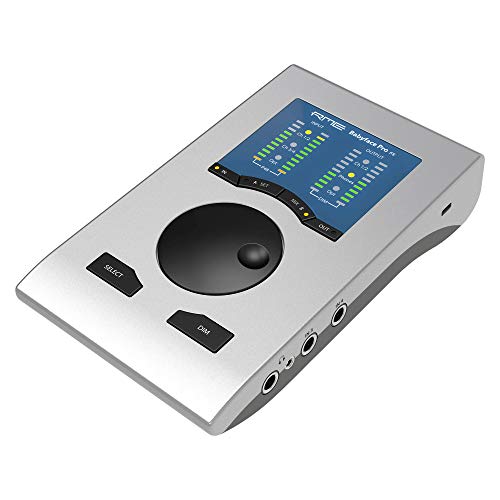
RME Babyface Pro
A superbly built, low-latency interface owners praise for pristine audio and rock-solid drivers, though it is pricey and TotalMix plus its fiddly controls take time to learn.
78%
3
M2
Most owners rate the M2 as a clean-sounding, dependable interface, and the large level meters come up again and again. Several have run theirs for years without trouble and say it has enough gain for a low-output mic like the SM7B. The recurring complaint is pops, crackles, and dropouts on some computers, which owners have worked around with older drivers or larger buffer sizes. Guitar players also note the inputs run hot enough that the gain has to sit near zero.
72%
4
Universal Audio Apollo Twin
Owners rave about the converter sound, UAD plugins and low latency, but it's a pricey proprietary system with clunky console software and some finding the mk2 converters too dark.
68%
5
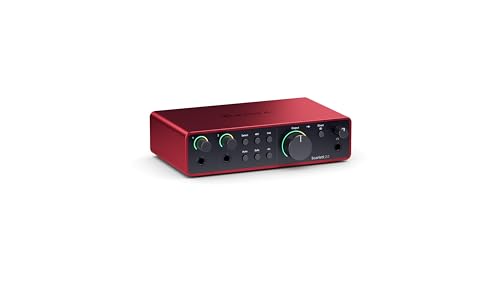
Focusrite Scarlett 2i2
A durable, great-value interface most owners keep for years, though hot signals clip easily with no pad and some Windows users hit driver dropouts.
60%
6
Focusrite Scarlett Solo
Most owners rate the Scarlett Solo as a dependable, affordable entry point into recording, praising years of trouble-free use, solid build quality, and a preamp clean enough to drive an SM7B without a Cloudlifter. A meaningful minority push back, though, citing Windows driver headaches, insufficient gain and easy distortion on hot guitar or dynamic-mic signals, and preamp or power failures after a few years. Several owners who've used both the Solo and the 2i2 say the 2i2 is simply the better value with stronger software support. Overall it's seen as a solid, unremarkable workhorse rather than a standout, similar in quality to competitors like the Audient EVO4 or SSL and Arturia entry-level interfaces.
51%
7
Universal Audio Apollo Twin X
Owners call it a big upgrade in sound clarity with excellent UAD plugins, though some find it overpriced and others hit Thunderbolt-3 compatibility and noise issues.
46%
8
Focusrite Scarlett Solo 4th Gen
Clean, low-noise preamps, easy setup, and bundled software make it a well-liked entry interface, though a recurring intermittent 'robot/buzzing' USB glitch has pushed some owners to return it.
33%

Every audio interface in this ranking, by what owners actually say

Owners' top-rated audio interface is the Universal Audio Volt 276 — 86% of 43 owners recommend it. Updated September 2026.

The Volt 276 pairs a built-in 76-style compressor owners like with a warm preamp mode, though the compressor adds noise and the preamps can't be bypassed. Owners chasing converter quality and rock-solid drivers lean toward the RME Babyface Pro, if they're willing to pay for it and learn TotalMix. Reliability splits two ways: driver stability, where the M2's pops and dropouts often need an older driver or a bigger buffer and the Scarlett Solo 4th Gen has its own crackling glitch, and headroom, where the Scarlett 2i2 clips easily with no pad and the Scarlett Solo runs short on clean gain for mics like the SM7B. Universal Audio's Apollo Twin draws owners in for its UAD plugins but locks them into an expensive, proprietary ecosystem.

Universal Audio Volt 276

Universal Audio Volt 276

86% of 43 owners recommend it

“reduces the noise the compressor tends to have without it”— YouTube
What owners like
  • +Built-in 1176-style "76" compressor with handy presets is a standout bonus
  • +Clean, crisp sound with a warm vintage preamp mode
  • +Plug-and-play and reliable with virtually no latency
Common complaints
  • –The 76 compressor can be noticeably noisy when engaged
  • –Preamps aren't bypassable, so you're always going through them
  • –A bit large if you want something pocket-sized or portable
Get it if
  • Budget home recordists wanting a built-in 1176 compressor
  • Beginners who want plug-and-play setup with no latency
  • Upgraders from a Focusrite Scarlett on a tight budget
Skip it if
  • Anyone wanting a pocket-sized or highly portable interface
  • Users who need to bypass the preamps entirely
  • Those bothered by some noise from the 76 compressor
RME Babyface Pro

RME Babyface Pro

78% of 36 owners recommend it

“my Babyface really does deliver 125 dB(A) dynamic range with the XLR output”— YouTube
What owners like
  • +Exceptional, clean audio and converters
  • +Rock-solid drivers and low latency
  • +Great preamps with plenty of gain
Common complaints
  • –Expensive for its feature set
  • –TotalMix has a steep learning curve
  • –Fiddly hardware controls and encoder feel
Get it if
  • Producers wanting pristine audio and rock-solid drivers
  • Mobile and portable bus-powered recording rigs
  • Users needing ultra-low-latency monitoring for tracking
Skip it if
  • Budget buyers unwilling to pay the premium
  • Those wanting plug-and-play simplicity over TotalMix
  • Anyone relying on a strong headphone amp
M2

M2

72% of 43 owners recommend it

“I also went through different source gear, a Burson PM2, an iDSD Diablo and a MOTU M2. I honestly can't tell the difference at all between the three when listening at my prefered volume level.”— Reddit
What owners like
  • +Clean, quiet sound on inputs and outputs
  • +Large, easy-to-read level meters
  • +Stable and well built, with owners reporting years of trouble-free use
Common complaints
  • –Pops, crackles, and audio dropouts on some computers, often needing older drivers or a larger buffer to fix
  • –Inputs run hot, so several owners keep the gain at or near zero to avoid clipping
  • –Headphone output can distort at higher volume for some owners
Get it if
  • Home recording and podcasting with a dynamic mic like the SM7B
  • A desk setup that feeds headphones and powered monitors from one box
  • Streamers and gamers using an XLR mic
Skip it if
  • Buyers who do not want to troubleshoot drivers or buffer settings
  • People who mainly want a headphone amp for loud playback
  • Anyone wanting a button to switch between outputs
Universal Audio Apollo Twin

Universal Audio Apollo Twin

68% of 40 owners recommend it

“audio quality improvement from gen 1 to 2 isn't enough to justify an upgrade IMO.”— YouTube
What owners like
  • +Excellent sound quality and converters
  • +UAD plugins sound phenomenal
  • +Unison preamps and console workflow
Common complaints
  • –Expensive, large proprietary investment
  • –Console software and setup is clunky
  • –Mk2 converters sound dark or cloudy
Get it if
  • Producers who want the UAD plugin ecosystem
  • Trackers chasing vintage preamp emulation via Unison
  • Mac users invested in a long-term platform
Skip it if
  • Buyers on a tight budget
  • Anyone wanting a clean, uncolored, versatile converter
  • Windows users needing rock-solid drivers
Focusrite Scarlett 2i2

Focusrite Scarlett 2i2

60% of 53 owners recommend it

“that's the only reason I considered this interface but not anymore lol.”— YouTube
What owners like
  • +Runs for a decade without failing
  • +Solid metal build, tank-like
  • +Great sound quality for the price
Common complaints
  • –Clips easily on hot or active signals
  • –No input pad to tame levels
  • –Driver and dropout issues on some PCs
Get it if
  • Home recordists wanting two solid mic preamps
  • Beginners tracking vocals, guitar and mic together
  • Budget-minded musicians wanting near-studio sound quality
Skip it if
  • Bassists with hot active pickups (no input pad)
  • Windows users prone to fussy driver issues
  • Anyone needing strong headphone output for monitoring
Focusrite Scarlett Solo

Focusrite Scarlett Solo

51% of 95 owners recommend it

“4th gen Focusrite have the best micpres for home consumer products and you can't get anything just as good or better without spending significantly more.”— Reddit
What owners like
  • +Strong value for the price point, especially the mic preamps, compared to rivals like Motu M2 or Audient EVO4
  • +Rock-solid reliability with years of trouble-free daily use and zero complaints
  • +Preamp is clean enough to power a Shure SM7B without needing a Cloudlifter
Common complaints
  • –Windows driver problems, including conflicts on Windows 11 and constant firmware/driver updates
  • –Not enough clean gain for demanding dynamic mics like the SM7B, forcing owners to crank the gain or add a Cloudlifter to avoid hiss
  • –Mic preamp and instrument input distort or overload too easily, especially with hot guitar signals
Get it if
  • Beginners recording vocals or guitar at home who want simple plug-and-play setup
  • Bedroom/hobbyist producers on a budget who don't need multiple simultaneous inputs
  • Solo streamers or musicians using one mic or one instrument at a time
Skip it if
  • Anyone needing more than one I/O or planning to grow beyond basic setups
  • Windows users wary of frequent driver updates and reported driver-conflict issues
  • Gain-hungry dynamic mic users who need max clean gain without hiss or a cloudlifter
Universal Audio Apollo Twin X

Universal Audio Apollo Twin X

46% of 39 owners recommend it

“Honestly, audio quality improvement from gen 1 to 2 isn't enough to justify an upgrade IMO.”— YouTube
What owners like
  • +Big, noticeable upgrade in sound clarity and quality
  • +Excellent UAD plugins and tight DAW/Luna integration
  • +Considered one of the best purchases owners have made
Common complaints
  • –Expensive, some feel it's overpriced or not worth it (especially lower-tier Duo)
  • –Requires Thunderbolt 3, causing compatibility and connection headaches on PC/AMD
  • –Some owners report static/buzz and middling noise performance
Get it if
  • Home recordists tracking guitar, bass and vocals
  • Upgraders from a Scarlett 2i2 wanting noticeably clearer mics
  • Producers who want UA plugins and Luna DAW integration
Skip it if
  • Voice actors and others who only need a basic interface
  • AMD PC owners without a Thunderbolt 3 port
  • Buyers eyeing the Duo (owners say it runs out of DSP)
Focusrite Scarlett Solo 4th Gen

Focusrite Scarlett Solo 4th Gen

33% of 46 owners recommend it

“It really sucks that focusrite put the mic channel on 2.”— YouTube
What owners like
  • +Clean, great-sounding audio that drives mics and headphones well
  • +Simple plug-and-play setup
  • +Generous bundled software licenses
Common complaints
  • –Intermittent robotic/crackling glitch over USB
Get it if
  • Solo podcasters and streamers with one mic
  • Beginners wanting a simple plug-and-play setup
  • Owners driving high-impedance headphones cleanly
Skip it if
  • Users hit by intermittent robotic buzzing glitches
  • People powering low-output mics needing extra gain
  • Anyone needing more than one input

Audio interfaces: frequently asked questions

What is the best Audio interfaces according to owners?

The Universal Audio Volt 276 tops the list at 86% recommend from 43 owners. Its onboard "76" style compressor with quick presets is the feature owners single out most, on top of a warm vintage preamp mode they call clean and crisp. Some do note the compressor can get noisy when switched on, and the preamps can't be bypassed.

Is spending more on an interface worth it for better sound?

Owners suggest yes, up to a point. The RME Babyface Pro sits at 78% recommend on the strength of exceptional, clean converters and rock-solid drivers, while the budget-friendly Focusrite Scarlett 2i2 lands lower at 60% because it clips easily on hot signals and has no input pad to tame levels. Owners of the pricier Babyface do note a real tradeoff though: TotalMix has a steep learning curve and the price feels high for the feature set.

What's the most common technical problem owners report with audio interfaces?

Driver and connectivity issues show up repeatedly across brands. The M2 (72% rec) gets pops, crackles, and dropouts on some computers that often require older drivers or a bigger buffer to fix, and the Focusrite Scarlett Solo 4th Gen falls all the way to 33% rec largely because of an intermittent robotic or crackling glitch over USB.

Should you buy into the Universal Audio ecosystem?

It depends on which model. The original Apollo Twin holds 68% recommend for its sound quality and UAD plugins, but the newer Apollo Twin X drops to 46% because it requires Thunderbolt 3, which causes compatibility headaches on PC and AMD systems, and some owners feel the lower-tier Duo version isn't worth the price. Anyone considering either should weigh whether they need Thunderbolt and the UAD plugin ecosystem before committing to the proprietary investment.

Why does the popular Focusrite Scarlett Solo split owner opinion?

At 51% recommend across 95 owners, it's a genuine mixed bag. Many praise its value against rivals like the Motu M2 and its years of trouble-free daily use, but a large share run into Windows driver conflicts, especially on Windows 11, and find the preamps don't have enough clean gain for demanding mics like the SM7B without adding a Cloudlifter.

What should someone prioritize when choosing between these interfaces?

Preamp headroom and driver stability separate the winners from the rest. Interfaces near the top of the list, like the Volt 276 and RME Babyface Pro, get credit for clean, quiet performance, while lower-ranked options like the Scarlett Solo and M2 draw complaints about hot inputs, clipping, or drivers that need workarounds. Buyers running mics that need a lot of gain should pay close attention to preamp headroom complaints before choosing.

More music gear

Over-Ear HeadphonesWireless EarbudsFountain pensCoffee GrindersGaming HeadsetsIn-Ear MonitorsRunning shoesGaming miceCamerasGuitar PedalsSoundbarsEspresso machines