1
Sigma 18-50mm F2.8 DC DN
Owners overwhelmingly praise the Sigma 18-50mm f/2.8 as a sharp, compact, and versatile standard zoom that has become their default walk-around lens for everything from architecture and macro to casual bird photography, often calling it one of the best purchases alongside the camera itself. Its small size, light weight, and roughly $549 price are cited repeatedly as reasons it beats out competing kit and third-party lenses, and several owners point to its popularity and strong resale value as proof of its reputation. A smaller but consistent minority pushes back, noting the lens is softer wide open and only sharpens up once stopped down a bit, with a few preferring the Tamron 17-70mm f/2.8 for its extra reach and stabilization. Even with that caveat, the consensus is strongly positive, with many calling it their all-time favorite APS-C lens.
92%
36
2
Canon EOS R6 Mark II
Owners are overwhelmingly happy with the R6 Mark II, praising its near-flawless autofocus and subject tracking, strong low-light performance, and effective in-body stabilization that shoots 4K without overheating, with several calling it one of the strongest hybrid cameras they've used. The recurring gripes are video-focused: IBIS "jello," the inability to disable IBIS while keeping lens IS, and codec limits that hurt 4K 60 slow motion, plus a few who miss the original R's ergonomics. It's a compelling pick for photographers and hybrid shooters who want dependable autofocus and reliable stills and video in one body.
88%
97
3
Canon EOS R8
Owners of the Canon EOS R8 are overwhelmingly positive, praising its autofocus and subject tracking, its compact and comfortable ergonomics, and its full-frame image quality at a price that repeatedly gets called unbeatable for beginners and hobbyists moving up from older DSLRs. A meaningful minority pushes back on three tradeoffs baked into that low price: no in-body image stabilization, weak battery life, and only one SD card slot, all of which come up as the reasons some owners instead recommend stepping up to the R6 II. Even so, most who mention the missing IBIS say lens or digital stabilization covers the gap well enough in practice. The overall consensus is a camera people call a steal for its class, with a few well-known compromises rather than a dealbreaker.
82%
67
4
Canon EOS R10
A favorite sub-$1000 beginner mirrorless: light, great ergonomics, and fast autofocus that over-delivers for its class. The main reservation is Canon's thin native RF-S lens lineup, which pushes some users to other systems.
82%
74
5
a6700
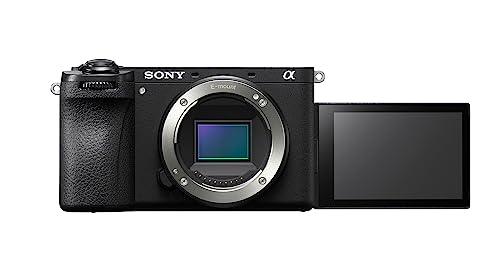
A compact, hybrid APS-C standout: class-leading autofocus, in-body stabilization and strong video win near-universal praise. The few caveats are overheating during long video and weaker low-light reach than full-frame.
76%
132
6
X-T5
Most owners love the X-T5 for its detailed 40MP files, its physical dials and handling, and how much camera it packs into a fairly light body. Many have shot it in heavy rain and snow without trouble, though a handful report water getting in and killing theirs, so weather sealing is not a guarantee. Autofocus is the main divide: fine for portraits, travel, and static subjects, but owners who shoot fast action, street, or demanding paid work find it behind Sony, Canon, and Nikon.
74%
77
7
Nikon Z6 III
Owners rave about the Z6III's autofocus, low-light performance, viewfinder and value as a hybrid all-rounder, though many wish for more than 24MP and note its reduced dynamic range and a divisive flip-out screen.
74%
213
8
Viltrox 27mm F1.2 Pro
Owners overwhelmingly rate the Viltrox 27mm f1.2 Pro as one of the sharpest, most-used lenses in their X-mount kit, with many calling it their favorite focal length and reaching for it over other primes. Most report strong flare resistance, rarely seeing the purple/blue circle issue some worried about, and see it as excellent value for third-party glass at its price. A meaningful minority pushes back, citing the lens's large size and weight compared to lighter Fuji options, coatings and contrast that fall a bit short of first-party lenses, and softer resolving power and slower autofocus next to Viltrox's own 75mm f1.2. Even critics tend to frame these as tradeoffs rather than dealbreakers, and the lens keeps a loyal following among owners who prioritize sharpness and the 27mm field of view.
71%
42
9
Osmo Pocket 3
Most owners love the Pocket 3 as a small camera they carry everywhere, with footage that holds up well and a gimbal that makes quick shooting easy. Several have used theirs for years and see no reason to upgrade, and some left GoPros or phones behind for it. The minority view is that good-looking footage takes careful lighting, settings, and grading, and a few owners say theirs ends up sitting unused. It works best as a quick, pocketable camera rather than a replacement for a full camera setup.
69%
61
10
Sony A7 IV
The Sony a7 IV is an excellent hybrid all-rounder that owners praise again and again for class-leading autofocus and eye tracking, sharp 33MP files, and strong low-light performance, backed by a deep and affordable lens lineup. The recurring caveats are mostly video-leaning: 4K overheating, rolling shutter that pushes you to mechanical shutter, plus color science and skin tones that some fight in post. It's best for stills shooters and mixed photo/video creators who want one dependable do-everything body rather than a dedicated long-form 4K rig.
64%
95
11
X100VI
The X100VI is a beloved grab-and-go compact that owners carry everywhere for street, travel and family moments, won over by its film simulations, great out-of-camera JPEGs and pure fun factor. It's not without real quirks: autofocus can lag, the menus frustrate, and there are recurring complaints about IBIS rattle and warmth, a build that feels softer than the X100V, and middling battery life. It suits someone wanting a portable, characterful everyday camera who can live with a fixed 23mm lens rather than a do-everything workhorse.
62%
140
12
Osmo Pocket 4
Most early owners are happy with the Pocket 4, mainly for footage they say clearly beats a phone and for how small and quick it is to shoot with. A few say it has replaced other cameras outright. The unhappy minority point to settings and D-Log that take effort to get right, color that can look oversaturated out of the box, and focus or tracking that lags, and some did not find it worth the upgrade. Owners are still early, so long-term reliability is an open question.
58%
38
13
Sony ZV-E10
Owners see the ZV-E10 as a strong-value entry into vlogging and content creation, with standout autofocus and a small, flip-screen body that beginners grab and go with. What it gives up is fixed in the hardware: nasty rolling shutter, no in-body stabilization, no viewfinder, and only 8-bit color, so handheld video often needs a gimbal or fixing in post. It's ideal for new creators on a budget shooting mostly on a tripod or gimbal, and a poor fit for fast action, run-and-gun handheld video, or anyone who needs serious stills controls or heavy color grading.
52%
169
14
Sony ZV-E10 II
Most owners here would not buy the ZV-E10 II again, and the reason is consistent: Sony left in-body stabilization out, which owners call a dealbreaker for handheld walk-and-talk work, and many argue the price sits close enough to the Sony A6700 to make that the smarter buy. The image itself draws real praise, with rich colors and crisp 4K60 footage, and owners shooting on a tripod or a gimbal are happy with what comes out of it. Photography-minded buyers add the missing mechanical shutter, with the rolling shutter and banding it brings, and the absent viewfinder, while a recurring cluster reports overheating in longer 4K sessions.
26%
318