What is the best electric toothbrush according to owners?
For most buyers the Philips Sonicare ProtectiveClean 4100 is the safe answer, at 64% recommend across 22 owners. Owners run it for years, and several say their dentist noticed better plaque removal after they switched to it. No brush in this category earns a confident yes, though: the Burst Sonic Toothbrush scores 62% but on only 8 verdicts, and the premium Oral-B iO Series 9 holds just 42% across 26 owners. Buy the 4100 for steadiness rather than power, and expect the battery to fade within a year or two.
Is Oral-B or Sonicare better for cleaning?
Owners split roughly down the middle, and it depends which model. On the Oral-B side, the premium iO Series 9 draws real praise for a powerful, thorough clean yet holds only 42% rec across 26 owners, because battery and build failures undercut it within a few years. On the Sonicare side, the ProtectiveClean 4100 gets credit for noticeably better plaque removal that dentists have flagged and sits at 64% from 22 owners, but the step-up 6100 model collapses to 9% rec, so the brand name alone does not guarantee satisfaction.
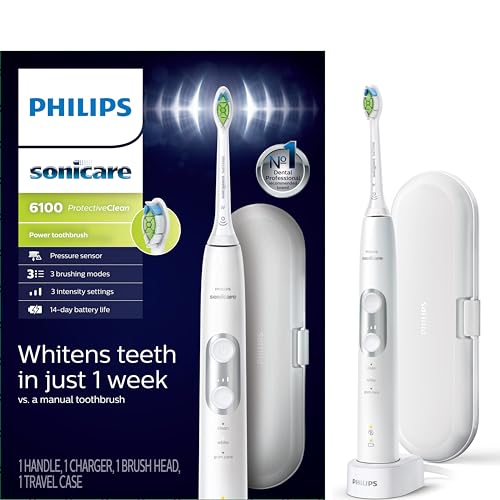
Why do so many owners complain about the Philips Sonicare ProtectiveClean 6100?
Only 9% of its 33 owners recommend it, and the complaint is remarkably consistent: brushes or batteries die anywhere from two months to a few years in, with failures clustering suspiciously close to the end of the two-year warranty window. What makes it a harder pass than a typical bad review is that owners describe genuine brand loyalty going in, then get pushed toward switching to Oral-B after a repeat failure rather than buying another Sonicare.
Are subscription toothbrushes like Quip worth it?
Quip has the largest owner base here at 71 reviews and a middling 58% recommend rate. People like the auto-ship subscription for brush heads and batteries and the built-in 30-second quadrant timer, but the actual cleaning power is the recurring letdown, with owners describing the vibration as weak and closer to a manual toothbrush than a real Sonicare-style clean. It's a reasonable pick for convenience and habit-building, not for someone chasing maximum plaque removal.
What's the most common way electric toothbrushes fail?
Battery failure, by a wide margin. Battery life shortens or dies within a year or two on the Sonicare 4100 and Oral-B iO Series 9, and it's the dominant complaint on the Sonicare 6100, where owners report brushes or batteries quitting anywhere from two months to a few years in. The iO Series 9 stacks build-quality failures on top of that, with owners describing units giving out within a few years despite the premium feel. Across the rechargeable models here, the battery is what ends the brush's life, which makes warranty length worth more than an extra cleaning mode.
Do more expensive electric toothbrushes clean better?
Not reliably, based on how owners rate these. The priciest model in the lineup, the Oral-B iO Series 9, sits at 42% rec despite a premium feel and powerful clean, dragged down by short or degrading battery life and build-quality failures within a few years. The step-up Sonicare ProtectiveClean 6100 fares worse still at 9% rec across 33 owners. The cheaper ProtectiveClean 4100 sits at 64% from 22 owners, with owners specifically calling out that it delivers the core clean without paying for extra features they didn't need.