All categories/Home/Office Chairs

Best Office Chairs, according to real owners

We ranked 5 office chairs by 322 real owner verdicts from Reddit, enthusiast forums, and YouTube. #1 is the Steelcase Series 1 — 68% of 133 owners recommend it.

We aggregated, scored, and sourced Office Chairs reviews from every corner of the internet, with every claim linked back to the exact comment. From Reddit, niche forums, YouTube and independent reviewers, we surface the owner consensus you need to find the best office chair for you.

#
Product
Score
1
Steelcase Series 1
An affordable, durable task chair many find comfortable for long days, with good adjustability and lumbar support at its price. But it runs small and firm for taller users, and a notable minority report a hard seat or lumbar pad that digs into the back.
68%
2
Embody
Owners who get the Embody dialed in describe the back support as unlike anything else they have sat in, and several credit it with ending back or sciatic pain that other chairs could not fix. It does not arrive that way. Owners repeatedly say the first sit feels strange and that the chair only comes right after setting back tension, back angle, and seat depth, and a few never got there no matter what they changed. Where owners divide is the seat and body size: the complaints cluster below the waist rather than on the back, and two owners returned it outright, one over shoulder-blade pressure and one for feeling too big for the chair.
66%
3
Herman Miller Aeron Size B
Famed for durability, support, and a decades-long lifespan, but fit is highly personal: the firm mesh seat causes tailbone, thigh, or shoulder discomfort for some, and sizing must be matched carefully.
65%
4
Sihoo Doro S100
Comfortable and well-built for the price with adjustable lumbar that helps some sit for long stretches. But the spring-mounted dual lumbar pads draw frequent criticism for digging in, causing back pain or worsening posture; runs small for taller users.
62%
5
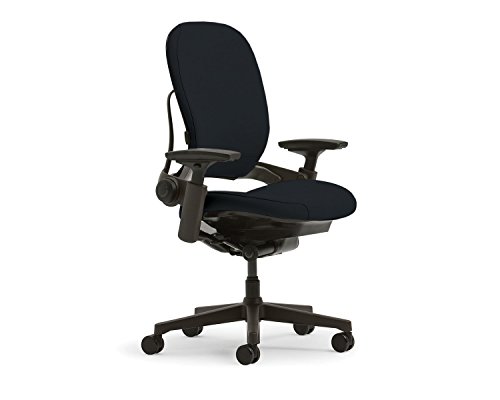
Leap V2
Owners split on the Leap V2, and the seat is where they split. The backrest and the depth of adjustment draw real praise, including from people whose lower-back pain eased after switching, and some owners are still in the same chair after seven, ten, even fifteen years. The seat pad, though, feels thin and firm to a large share of owners, enough that tailbone and sit-bone pressure is the most repeated complaint here, and a number of them end up swapping in or sitting on extra padding. A fair few also find the lumbar insert too aggressive to leave in, and a smaller group reports the recline feeling loose even with the back locked.
58%

Every office chair in this ranking, by what owners actually say

Owners' top-rated office chair is the Steelcase Series 1 — 68% of 133 owners recommend it. Updated October 2026.

Back pain drives most of the conversation around office chairs, and owners describe very different outcomes depending on body type and budget. The Steelcase Series 1 holds up well across full workdays and eases existing back pain, but taller or larger owners find it too tight, and the seat firms up uncomfortably over time. The Steelcase Leap V2 earns its praise from the lumbar up, with a backrest and a depth of adjustment that owners credit with easing lower-back pain, and chairs still in daily use at 7, 10 and 15 years, though the thin, firm seat pad is the complaint owners repeat most, often alongside tailbone pressure and added padding. The Herman Miller Aeron Size B shows real staying power, with owners reporting it still works and looks new after 15-20 years, though the hard seat edge bothers some thighs. The Herman Miller Embody divides along the same line, back against seat: owners describe the back forming to the spine while the seat collects nearly every complaint, and the chair feels wrong out of the box until back tension, back angle and seat depth are set, with body fit a pass or fail question that two owners answered by returning theirs. The Sihoo Doro S100 suits long 10-12 hour sessions for owners whose backs match its aggressive lumbar shape, while others find that same support forces an unnatural posture. Across the lineup, fit decides the outcome more than price does: the same lumbar shape that fixes one owner's back pain forces the next into a posture they can't hold for a workday.

Steelcase Series 1

Steelcase Series 1

68% of 133 owners recommend it

“there is a drastic difference in the way we feel after 8 hours of sitting vs the chairs we used to have”— YouTube
What owners like
  • +Comfortable for full days and long sitting sessions
  • +Eliminated or eased back pain
  • +Durable build that holds up for years
Common complaints
  • –Too small or tight for taller and larger users
  • –Firm seat that gets uncomfortable or sore
  • –Lumbar that digs in or feels insufficient
Get it if
  • Work-from-home users on long daily sessions
  • Budget buyers wanting commercial-grade durability
  • Shorter or petite users needing a compact fit
Skip it if
  • Taller, larger users (short back, low armrests)
  • Anyone wanting a plush, soft cushion
  • Users needing wide recline and tilt adjustability
Embody

Embody

66% of 41 owners recommend it

Owners mostly agree on which half of this chair works, which makes the disagreement easier to read than the split suggests. The back is the part nobody argues with: owners describe it shaping to the spine and holding support while they shift around, and the people who bought it for pain are the most positive voices here, several reporting none at all after years of trouble. The seat is the opposite story and collects nearly every complaint, whether that is a pan running short on depth, hard plastic where the legs rest, or padding that flattened inside two years of ten-hour days. Running underneath both is setup. A recurring group of owners say the chair felt odd when it arrived and only came right after they set back tension, back angle, and seat depth, with one fixing lower back pressure by dropping the seat height alone, while the owners who stayed unhappy are largely the ones for whom no adjustment helped. Price doubt is real but it is the minority position: a few call it overrated or say a cheaper Steelcase would have done the job, while most owners who spent the money describe it as the best thing they did for themselves. The sharpest dividing line is body size, since the suspended area is not large, and the owners who felt too big for it did not adapt to it, they sent it back.

“The chair itself is very very comfortable, but I always got pain in my upper back / shoulder area from sitting in it, I felt like I was too big for the chair to properly support me.”— Reddit
What owners like
  • +The back is the most praised part by a wide margin, forming to the spine instead of pressing on one spot.
  • +Owners with long-running back and sciatic pain report it going away after switching.
  • +Holds up for the long haul: owners at seven and ten years say it still looks and works like new.
Common complaints
  • –It feels wrong out of the box, and for some owners no amount of adjustment ever fixes it.
  • –The seat, not the back, draws the complaints: a pan that runs small, hard plastic where the legs rest, foam that flattens.
  • –The soft parts wear before the frame does, with reports of flattened padding, fabric wear, and creaking under heavy daily use.
Get it if
  • Desk workers with ongoing back or sciatic pain who have already struck out with other chairs
  • Buyers willing to spend an hour on back tension, back angle, and seat depth before judging the chair
  • People sitting eight- to ten-hour days who treat the chair as the thing they use most
Skip it if
  • Anyone who wants a plush seat to sink into, since owners describe it as a chair that holds posture rather than one that cushions
  • Larger-framed or broad-shouldered sitters, the group that reported upper-back pressure and returns
  • Value-first buyers, who can get a competent chair for less according to the owners who regret the price
Herman Miller Aeron Size B

Herman Miller Aeron Size B

65% of 43 owners recommend it

“I wanted to love my HM Aeron (supplied by work), but in the end my $150 Covid Office Depot chair is way more comfortable. Chairs are such a personal item and brand/cost don’t guarantee comfort”— r/BuyItForLife
What owners like
  • +Lasts 15-20 years and still looks and works like new
  • +Relieves back pain and improves posture
  • +Comfortable for long hours of sitting
Common complaints
  • –Uncomfortable for some bodies despite the hype
  • –Hard plastic seat edge digs into thighs and tailbone
Get it if
  • All-day desk workers wanting posture and back support
  • Buyers seeking a decades-lasting, repairable chair
  • Bargain hunters buying used with replaceable parts
Skip it if
  • People who like to sit cross-legged in their chair
  • Those wanting plush padding over firm mesh
  • Larger sitters who may need size C instead
Sihoo Doro S100

Sihoo Doro S100

62% of 24 owners recommend it

“I recently purchased a Sihoo S100 chair and after 2 days of use there was staples popping out of the side of the seat. This caused one side of the seat to essentially deflate.”— r/OfficeChairs
What owners like
  • +Strong lumbar support that eases back pain
  • +Comfortable for long 10-12 hour sitting sessions
  • +Great value and quality feel for a budget chair
Common complaints
  • –Lumbar support is too aggressive and forces an uncomfortable upright posture
  • –Split two-pad backrest caves in and feels unsupportive
Get it if
  • Budget-conscious buyers wanting a good-looking ergonomic chair
  • Long-hours sitters who want firm lumbar and smooth recline
  • Shorter or average-build users who fit the seat well
Skip it if
  • Taller or heavier users (some find seat and fit too small)
  • People who dislike aggressive, upright-forcing lumbar support
  • Narrow backs that fall between the two-piece backrest pads
Leap V2

Leap V2

58% of 81 owners recommend it

The pattern here is a chair owners rate highly from the lumbar up and argue about from the seat down. Praise clusters on the backrest and the lower-back support, with several owners saying this was the chair that ended their desk-related back pain after other premium models did not, and on how far it adjusts once the time goes into setting it up. Longevity is not in dispute: owners report six, ten and fifteen year chairs still in service, with cushions and armrests replaceable rather than terminal. The complaints cluster just as tightly. The seat pad is thin and firm, and for a sizable group that turns into tailbone or sit-bone pressure within an hour or two rather than a vague preference; some add padding, some live with it, and a few stopped sitting in the chair. The lumbar insert is aggressive enough that taking it out is common advice among owners rather than a fringe fix. Smaller groups report play in the recline with the back locked upright, and owners with long legs run out of seat pan. Several owners also push back on the chair's reputation, saying it did not match what they had been led to expect. This is not a chair that wins people over on first sitting, and the owners who need immediate softness are the ones who leave.

“Worth it for me as I'm having back issues as well. The only thing I'd say I would want better is the height adjustment. I'm 6,2 and wouldve preferred maybe half an inch extra height.”— Reddit
What owners like
  • +Backrest and lower-back support win owners over, including people whose desk-related back pain eased after switching.
  • +The adjustment range is deep, and owners who dial it in get picky about every other chair.
  • +Built to last and to be repaired, with six, ten and fifteen year chairs still in daily use.
Common complaints
  • –The seat pad is thin and firm, the single most repeated complaint here.
  • –Tailbone and sit-bone pressure sets in for some owners within an hour or two of sitting.
  • –The lumbar insert runs aggressive, and owners routinely take it out to get comfortable.
Get it if
  • People with lower-back pain who want support rather than softness
  • Anyone sitting full workdays upright at a desk
  • Buyers who want years out of a chair and parts they can replace
Skip it if
  • Anyone who wants a plush, forgiving seat out of the box
  • People who lounge or recline back for long stretches
  • Long-legged owners who need more seat pan travel

Office Chairs: frequently asked questions

What is the best office chair according to owners?

The Steelcase Series 1 is the one to start with for most buyers, at 68% recommend from 133 owners, which is the largest pool of owner feedback in this category. People praise it for staying comfortable through full workdays and for easing back pain they already had. It isn't a universal fit: owners above average height or build repeatedly say it runs too small and tight, and the seat firms up over the years until long sessions turn sore.

Is Herman Miller worth it over cheaper ergonomic chairs?

The Aeron Size B sits at 65% recommend (n=43), and owners who like it point to real longevity, chairs still working and looking new after 15-20 years, plus relief from back pain and better posture. But the hype doesn't land for everyone; several owners call the hard plastic seat edge uncomfortable, especially where it presses into the thighs and tailbone. The brand's other chair here, the Embody, runs 66% recommend (n=41) and splits a different way: the back draws nearly all the praise for forming to the spine, while the seat takes nearly all the complaints, and owners say it feels wrong out of the box until back tension, back angle and seat depth are set. Body fit on the Embody is pass or fail, and two owners returned theirs rather than keep adjusting. For buyers prioritizing decades of use over sitting comfort in the first year, it's a reasonable case; for those who just want a soft seat, nothing here is a reliable answer, since firm seats and hard edges are a recurring complaint across this lineup.

What's the most common complaint across ergonomic office chairs?

Lumbar support that fights the body rather than supporting it shows up across nearly every chair in this lineup. Sihoo Doro S100 owners split between loving the strong lumbar support and complaining it's too aggressive, forcing an uncomfortable upright posture; Series 1 owners outside average proportions describe a back and seat that run tight; Aeron owners point to a hard seat edge pressing into the thighs and tailbone; Leap V2 owners find the lumbar insert aggressive enough that taking it out is common advice rather than a fringe fix. Fit is the underlying issue, since a shape that flatters an average frame can still be wrong for taller, larger, or differently proportioned sitters.

Should taller or larger people avoid the Steelcase Series 1?

Based on owner feedback, taller and larger users may want to look elsewhere. The Series 1 pulls a solid 68% recommend (n=133) and owners praise it for full-day comfort and easing back pain, but the recurring complaint is that it runs too small or tight for bigger frames, with a firm seat that turns sore over long sessions. Anyone above average height or build should sit in one first if possible.

How does the Sihoo Doro S100 compare to bigger-name chairs?

At 62% recommend from a smaller pool of owners (n=24), the Doro S100 holds its own against pricier names, with owners reporting strong lumbar support that eases back pain and enough comfort to sit through 10-12 hour stretches. The split two-pad backrest is the sticking point, some owners say it caves in and feels unsupportive over time. With fewer owners weighing in so far than the Series 1 or the Aeron, the verdict here carries a bit more uncertainty.

Does the Steelcase Leap V2 help with lower back pain?

Owners who bought it for that reason are the most positive voices on it, and the Leap V2 sits at 58% recommend from 81 owners. The backrest and the depth of adjustment are what they credit, with several saying this was the chair that ended desk-related back pain after other premium models did not, and owners report still sitting in the same chair after 7, 10 and 15 years. Two caveats come from those same owners: the lumbar insert runs aggressive enough that taking it out is common advice, and the thin, firm seat pad is the most repeated complaint here, with tailbone and sit-bone pressure setting in within an hour or two for a sizable group. Buyers whose trouble is in the lower back have more to gain here than buyers shopping for a soft seat.

What owners complain about

The faults that come up most, straight from owners who bought one.

More home

Air PurifiersRobot VacuumsPower ToolsHair DryersCordless VacuumsBeard TrimmersStanding DesksHome GymMattressesElectric ShaversHumidifiersElectric Toothbrushes