What is the best space heater according to owners?
The Lasko 754200 Ceramic comes out on top with 81% of owners recommending it. People say it heats a small room quickly and keeps running for years, though a few report the thermostat or fan eventually wearing out and some find the fan louder than they'd like.
Is a ceramic heater better than an infrared or propane heater?
For everyday indoor use, ceramic models lead the pack: the Lasko 754200 sits at 81% and the Vornado AVH10 close behind at 80%, both praised for steady, thermostat-controlled warmth. Infrared options score lower, the Heat Storm Phoenix lands at 62% and struggles to fully heat rooms past a few hundred square feet, so ceramic is the safer bet for a bedroom or office.
Is the Vornado AVH10 worth the extra money over the Lasko?
Owners rate it almost as highly, 80% versus 81% for the Lasko, and several call it among the best heaters they've owned for its steady thermostat control. The tradeoff is price: some owners feel it costs more than the heat output justifies, and a handful describe a burnt-plastic smell or outright failure.
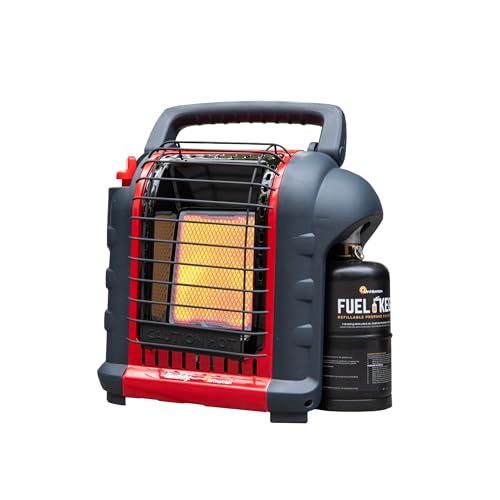
Why do camper and RV owners still choose the Portable Buddy MH9BX despite its lower score?
At 67% recommend from 36 owners, the MH9BX trails the ceramic models, but it's the one built for off-grid use. Owners describe it warming a 12ft camper van, a 233S trailer, and a 40ft motorhome fast enough to stay comfortable into the 20s and 30s, and several call it a camping essential after years in tent trailers, RVs, and ice shacks.
What's the most common complaint across space heaters?
Safety cutoffs and reliability issues show up repeatedly. The Buddy MH9BX's auto-shutoff can trip unexpectedly, especially at altitude or after about 30 minutes, which owners describe as finicky. On the other end, the Dreo Atom One, at just 57% recommend from 7 owners, draws reports of overheating, tripped breakers, and even fire, so it's worth treating that low score as a real warning rather than noise.
Should I buy a WiFi-enabled heater like the Heat Storm Phoenix for smart home control?
Be cautious. Owners who've had it a year or more report trouble-free daily use, but the WiFi control leans on Tuya's cloud and only offers basic on/off switching rather than a real thermostat. Some owners trying to integrate it with Home Assistant had to re-flash the hardware with ESPHome or Tasmota, and a few say Tuya cut off cloud access entirely, so don't count on the smart features working long-term out of the box.